What Is a Connected Car? Features, Benefits, and How to Get One
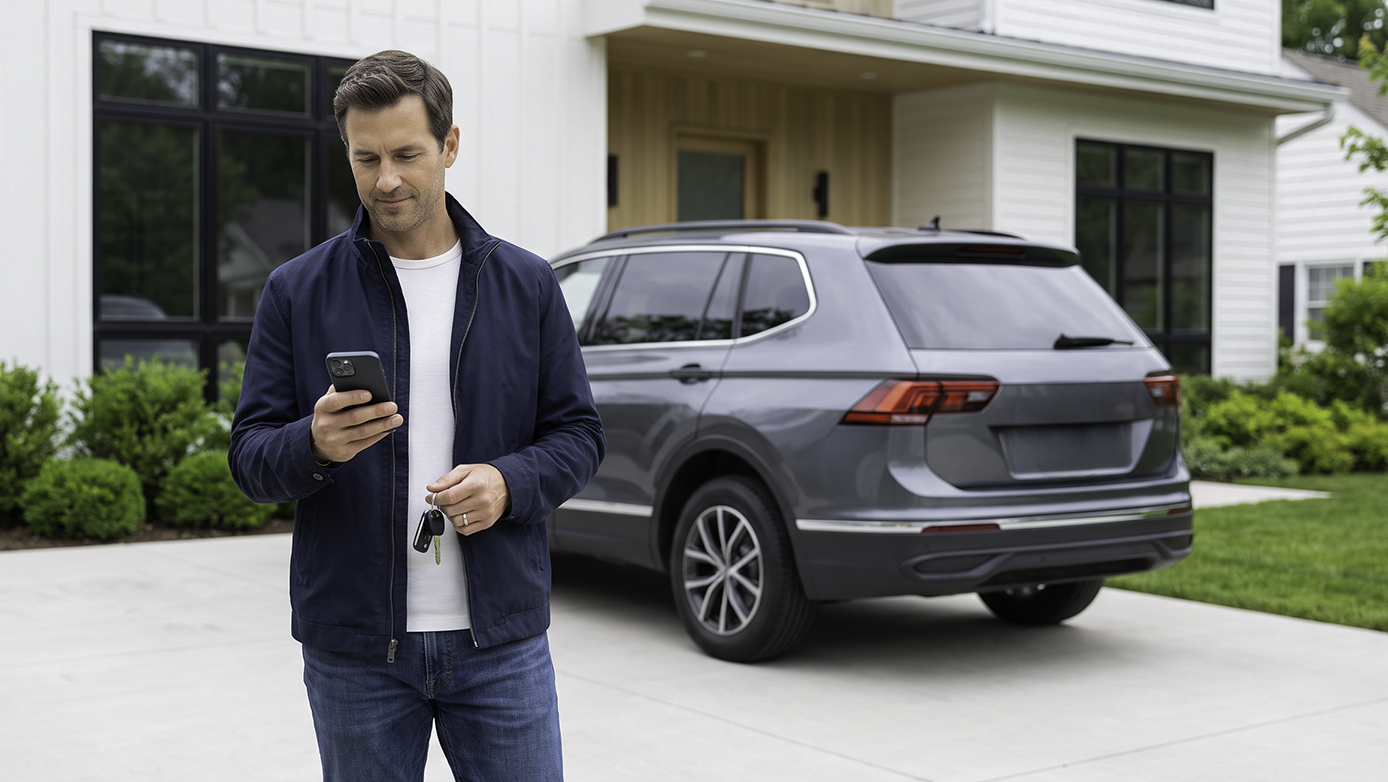
When you hear the phrase connected car, what comes to mind? If you’re like most drivers, you may think the technology sounds amazing, but since you don’t drive a brand-new Tesla or a fully loaded BMW, it’s not something you’ll get to experience for yourself.
It’s true that more and more drivers are hanging onto their cars longer. There are several good reasons for this trend. Cars made in the last twenty years or so benefit from improvements in technology and manufacturing processes, which help them last longer. It used to be that when the odometer hit 100,000 miles, a car was considered spent. Today, drivers think they’re just now broken in. And if you have an early-2000s sedan that handles your daily commute flawlessly or a 2016 SUV that’s perfect for family road trips, do you really need a new one?
Why a Connected Car Means More Than a New Car Purchase
You may not know your familiar, dependable vehicle can be connected, too. The connected car space offers an expansive range of software and hardware solutions that don’t require a proprietary product permanently tethered to the newest vehicles on the market.
So, what is a connected car, and why do you need one? In this guide, we'll cover what makes a car connected, break down the features you can expect, and spell out the differences between OEM and aftermarket options.
What Actually Makes a Car "Connected"?
A connected car is any vehicle that can send and receive data over an internet connection, which lets you see its location, health, and driving activity from an app. The automotive industry is more than happy to sell you a new car with OEM features that make it connected, but it helps to step back and see what that term really means. And once you strip away the marketing jargon, you’ll see that any modern car can be connected with the right combination of hardware and software. Let’s start by taking a look at the latter.
The software, the app, is most important because that’s what you actually use. The hardware sits in the background collecting data, but the app is how you view and interpret that data. A connected car app, whether supplied by the manufacturer or an aftermarket provider, only needs to offer three fundamental components:
- A way to read vehicle data: The system needs a physical or digital connection to the car's internal computer network to gather telemetry, which is information on location, speed, engine health, and electrical status.
- A way to transmit data: Most connected car apps use a cellular connection to beam this collected information from the moving car to the cloud.
- The app itself: The user interface on your smartphone or desktop app organizes, processes, and displays the transmitted data in real time.
Put simply, a connected car works by reading data from the vehicle, transmitting it over a cellular network to the cloud, and delivering it to you through an app. Those three bullet points describe the entire connected car technology stack. Auto manufacturers position their OEM systems as unique selling points, but in reality, even older or non-factory-connected vehicles can acquire the same tech stack via an aftermarket device that plugs into the standard OBD-II port (which is typically found under the dashboard on the driver’s side in virtually every gas-powered vehicle manufactured since 1996).
What Are the Features of a Connected Car?
Whether you choose an OEM or aftermarket option, a connected car should offer the same core features. The most important ones are:
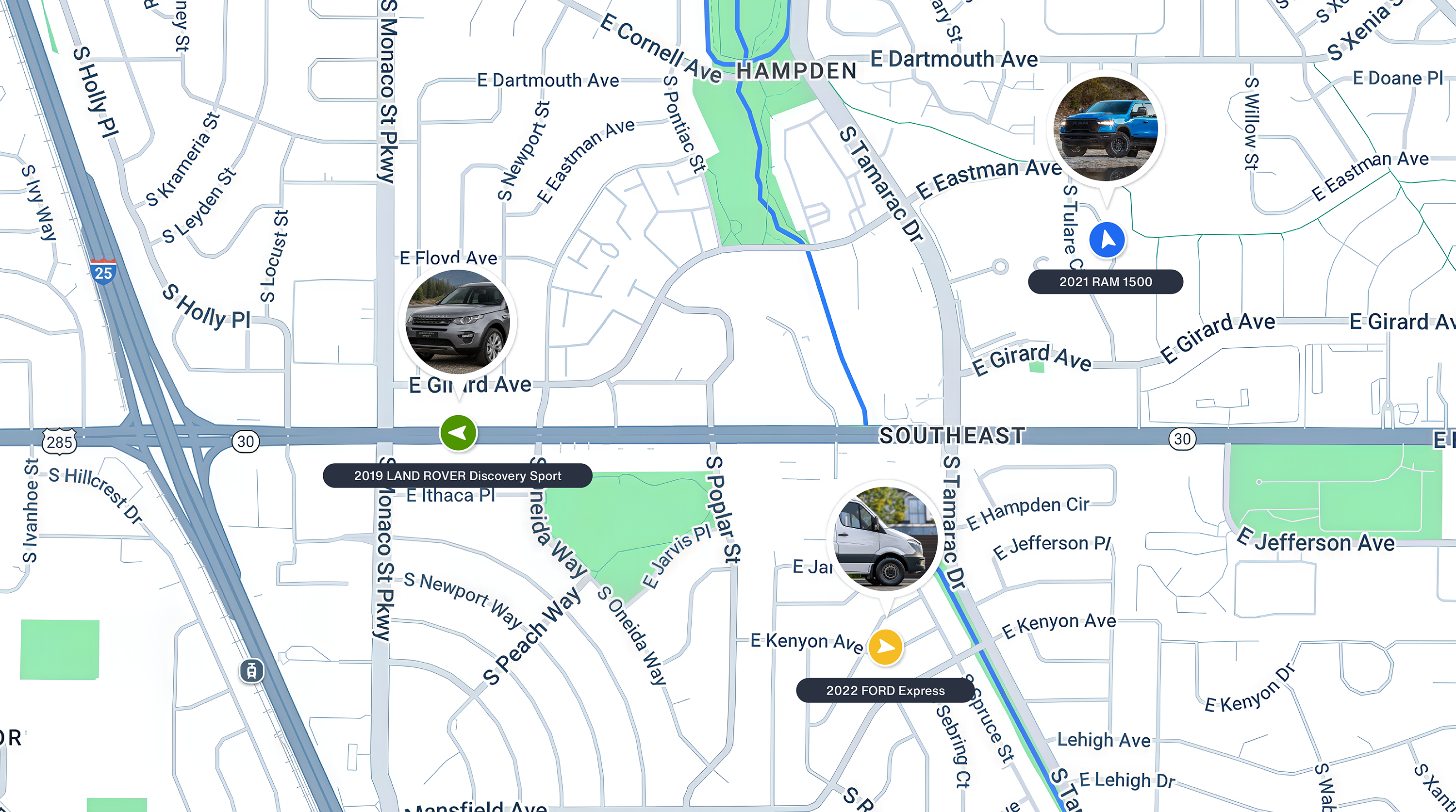
Location and tracking: The most basic feature of a connected car app is tracking your vehicle’s current location on a digital map. Some apps also let you view past trips, with comprehensive trip history and detailed route logs. These location and tracking features are essential for a wide range of everyday scenarios, from finding your car in a massive parking lot to retracing your steps on past trips.
Vehicle health and diagnostics: Connected car apps can read and demystify the diagnostic trouble codes (DTCs) generated by the onboard computer system. When the Check Engine light comes on, you no longer have to guess why and can easily gauge the severity. The onboard computer also typically generates maintenance reminders while monitoring battery charge and fuel levels. These features help you tend to issues before they become bigger problems.
Driving behavior monitoring: How your car is being driven is just as important as where it’s being driven. Driving behavior monitoring features let you receive notifications for speeding, hard braking, rapid acceleration, and more. Families in particular enjoy these features, as they help monitor new drivers and elderly family members alike.
Safety and security: Real-time location tracking shows you exactly where your vehicle is and alerts you the moment it moves when it shouldn’t, which is useful for catching unauthorized or after-hours use. Geofencing builds on this by sending notifications when a vehicle enters or exits areas you define. This lets you, for example, know exactly when a teen driver arrives at school and home, or when an elderly family member has reached their destination safely. Advanced apps offer impact and accident-detection notifications, and alerts if the device disconnects or the car battery drops to critically low levels.
OEM-only features: Tight integration between an OEM app and the car enables features typically available only from the factory, not from aftermarket systems. This includes remote control (remote start, lock/unlock, etc.), climate control pre-conditioning, and in-car Wi-Fi hotspots.
OEM vs. Aftermarket: Which Connected Car Option Fits Your Vehicle?
If some features are only available in a factory-installed OEM solution, are you compromising by choosing an aftermarket connected car app? While the marketing campaigns strive to make you feel you’re missing out, the truth is more nuanced. A direct comparison reveals that neither option is universally better. OEM systems offer the deepest factory integration, while aftermarket devices offer flexibility and lower long-term cost. The right choice depends on your situation, which comes down to your car’s age, how long you plan to keep it, and how you use it.
The OEM Equation
To decide what best fits your needs, consider all sides of the equation. OEM apps like FordPass, the Toyota app, and MyBMW are inextricably tied to specific makes and models. On the plus side, that means OEM solutions offer deep integration, resulting in features like remote start and lock/unlock. However, this integration has some caveats.
For example, OEM apps are often offered free during a limited trial period for new car buyers, after which they convert to a paid (and often expensive) subscription. In addition, OEM connected services can lapse or be completely discontinued by the manufacturer. One of the more notorious cases was when Hum by Verizon shut down, causing car owners to lose their connected features.
The Aftermarket Solutions
Meanwhile, the best aftermarket solutions today pair an OBD-II device (which plugs into most cars made in the last three decades) with an app for your smartphone. They are untethered from the vehicle's original manufacturer, so if you buy a new car, you can simply unplug the device and move it to the new vehicle.
Plus, aftermarket options are typically the only viable option for owners of older vehicles, used-car buyers, or anyone whose OEM trial has expired and who refuses to pay high automaker subscription fees. For instance, a buyer of a certified pre-owned vehicle often discovers the previous owner's OEM connected-services trial has already expired.
Having to re-enroll a previously free service via a new monthly subscription is supremely annoying. An aftermarket app avoids that problem, providing top-tier connectivity at a fraction of the cost.
The Real Benefits of Driving a Connected Car
Next, consider whether you really need a connected car at all. Perhaps the best argument for the idea is the connectivity we already enjoy every day.
We live in a world where we can remotely unlock the front door, turn on the lights, and adjust the thermostat, often in the same app. We can get instant alerts if there’s a suspicious transaction on our bank accounts. We can track packages from the warehouse, through our neighborhood, and right up to our front door.
Yet, for many, their cars remain the most unconnected part of their daily lives.
Then there are the ways the right app can transform your life. Consider these connected car benefits:
- Unmatched peace of mind: You can know the precise location of your car at all times and be alerted as soon as something unusual happens, be it a bump in a parking lot or a sudden movement in the middle of the night.
- Fewer surprise repairs: By translating diagnostic codes as they happen, connected car apps help you catch minor engine issues early before they escalate.
- Safer driving habits: Calling out instances of speeding and hard braking encourages self-correction. It is especially effective for newly licensed or teen drivers who are still learning how to operate a vehicle safely.
- Constant oversight: You always know where your vehicle is and when it is being used. Real-time alerts flag unexpected movement or after-hours use, so you can confirm your car is where it should be and act quickly if it is not.
- Simplified record-keeping: Automatic mileage tracking and trip logs make it easier to compile data for tax deductions or work reimbursements.
Who Actually Uses a Connected Car: Real-World Use Cases
Feature lists and benefits are one thing, but real value comes from how a connected car fits into daily life. Here are the people who benefit most:
- Parents of new teen drivers: Driving behavior monitoring, real-time location tracking, and geofencing are all great features, but they matter most to worried parents. These features provide peace of mind that you can’t get without a connected car.
- Adult children of aging parents: Similarly, adult children can use these apps to keep a light-touch, respectful eye on an elderly parent's driving patterns, ensuring they stay safe on the road and arrive at their destinations on time.
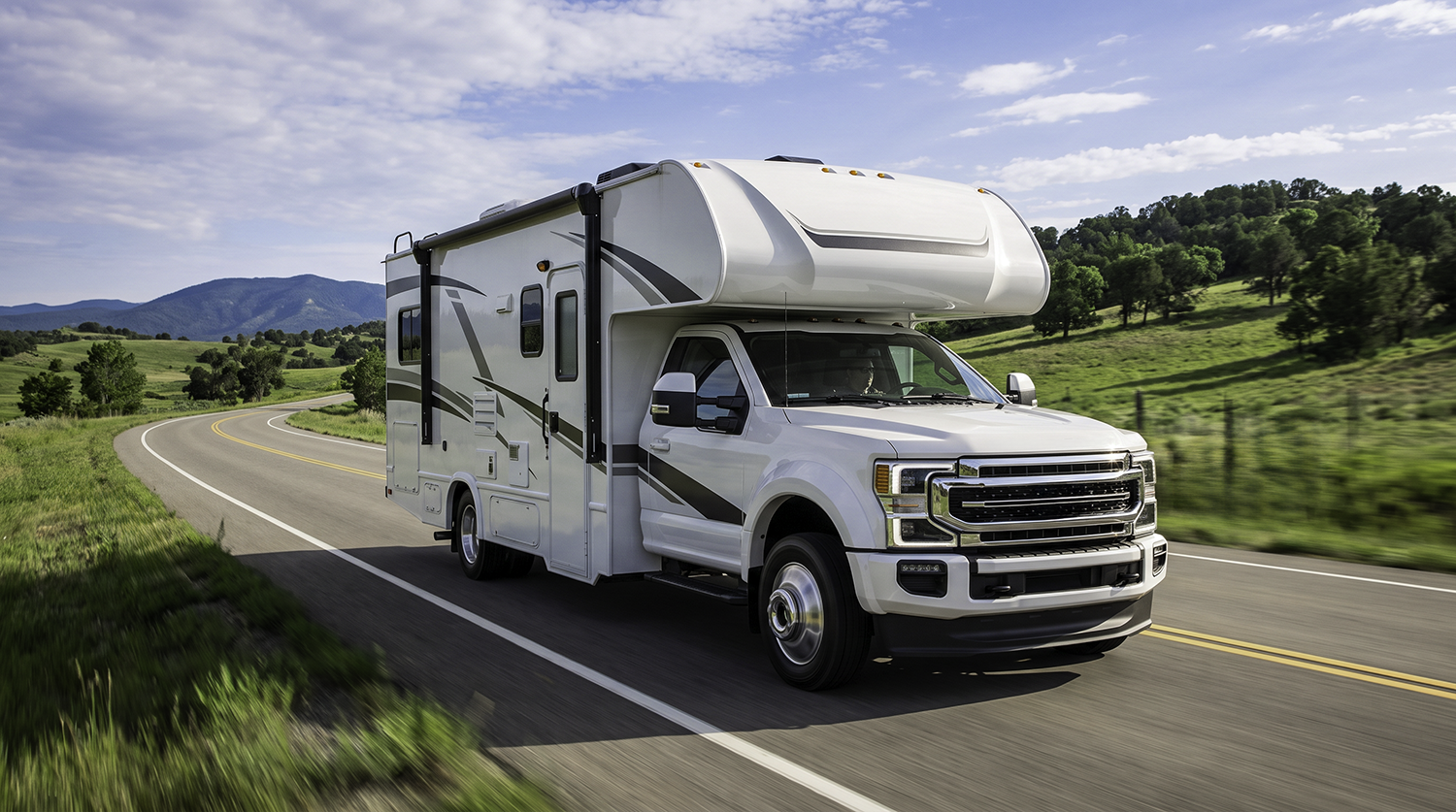
- Owners of older vehicles: Adding modern, high-tech features to a paid-off vehicle helps extend its useful life.
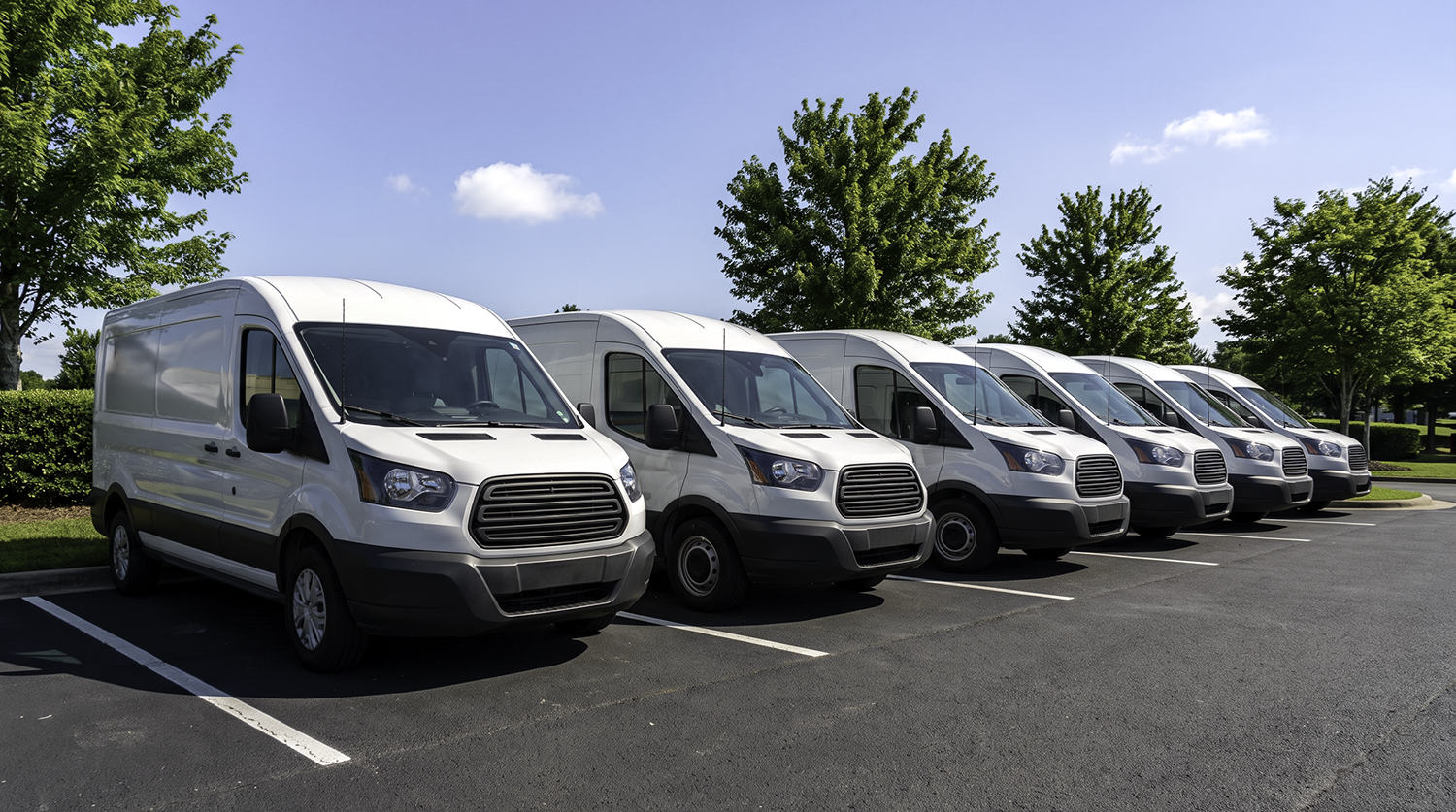
- Multi-driver households: Families sharing one or two vehicles benefit from the centralized visibility a connected car app provides.
- Anyone who wants added oversight: Owners who want to confirm their vehicle is where it should be, and to be alerted the moment it moves unexpectedly, gain reassurance from always-on visibility.
How to Choose the Right Connected Car Solution for Your Situation
If you’re ready to make your car connected, this step-by-step guide will help you find the right solution for your situation:
- Check the OEM options: Look into whether your vehicle already has an active, paid-up OEM connected-services subscription before shopping for any third-party hardware.
- Confirm compatibility: If your OEM trial has expired (or your car never had one), simply confirm the vehicle is a 1996 model or newer with an accessible OBD-II port (usually located under the steering wheel).
- Prioritize the feature set: List the features that matter most to you, such as real-time tracking, driving behavior alerts, engine diagnostics, and family sharing. Rule out the apps that fall short.
- Compare costs: Consider subscription costs and contract terms for all options, especially when choosing between renewing the OEM option and buying an aftermarket alternative.
- Check for multi-user access: If you’re part of a family, confirm that the platform supports multiple users accessing the same vehicles.
What to Expect from the Bouncie Connected Car App
For most vehicle owners and their families, aftermarket solutions are the best option. The freedom to track multiple vehicles from different manufacturers without being locked into a specific make or model matters, and few OEM solutions offer this flexibility. And after considering their options, many end up choosing the Bouncie connected car app.
As a simple plug-and-play OBD-II device, Bouncie installs in seconds on almost any car, truck, or SUV made since 1996. The included Bouncie smartphone app for iOS and Android offers the features that matter most, such as real-time location tracking, detailed trip history views, and vehicle health diagnostics.
You can also customize the alerts so that you get notified about the events you find important, whether that’s speeding or your teen arriving home after school. Bouncie is also built for families. It supports multiple users out of the box, making it easy to share vehicles. Plus, its straightforward pricing model comes with no hidden fees or long-term contracts.
The Bottom Line: A Connected Car for Everyone
The key takeaway is that a connected car is no longer exclusive to new vehicles. Even if an automaker presents connectivity as a feature you can only get from the factory, anyone can access this technology. Once you understand the technology stack behind it and know which features to look for, even an early-2000s family vehicle can become a connected car.
Every day, Bouncie turns vehicles of all types into connected cars. Its simple installation, intuitive app, and transparent pricing make it the aftermarket choice for families everywhere. For an aftermarket solution that works for everyone, learn more about Bouncie today.